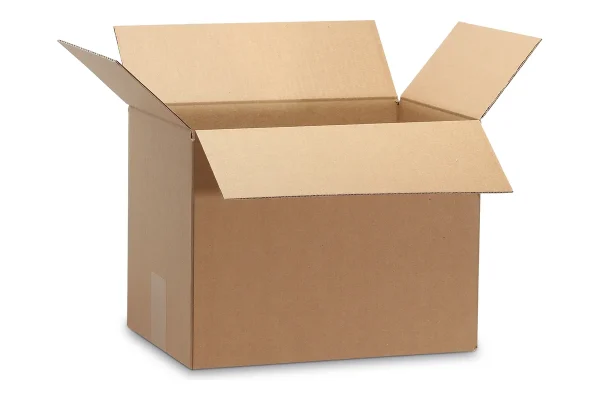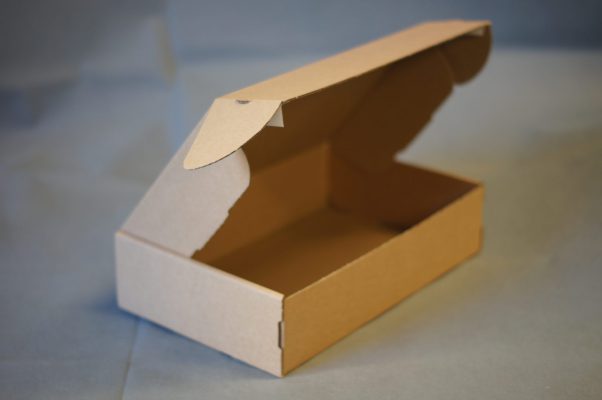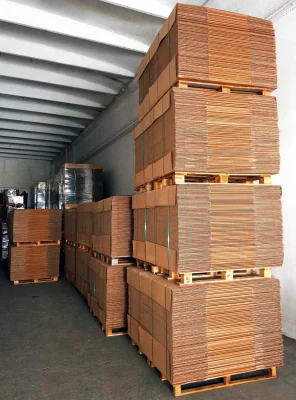

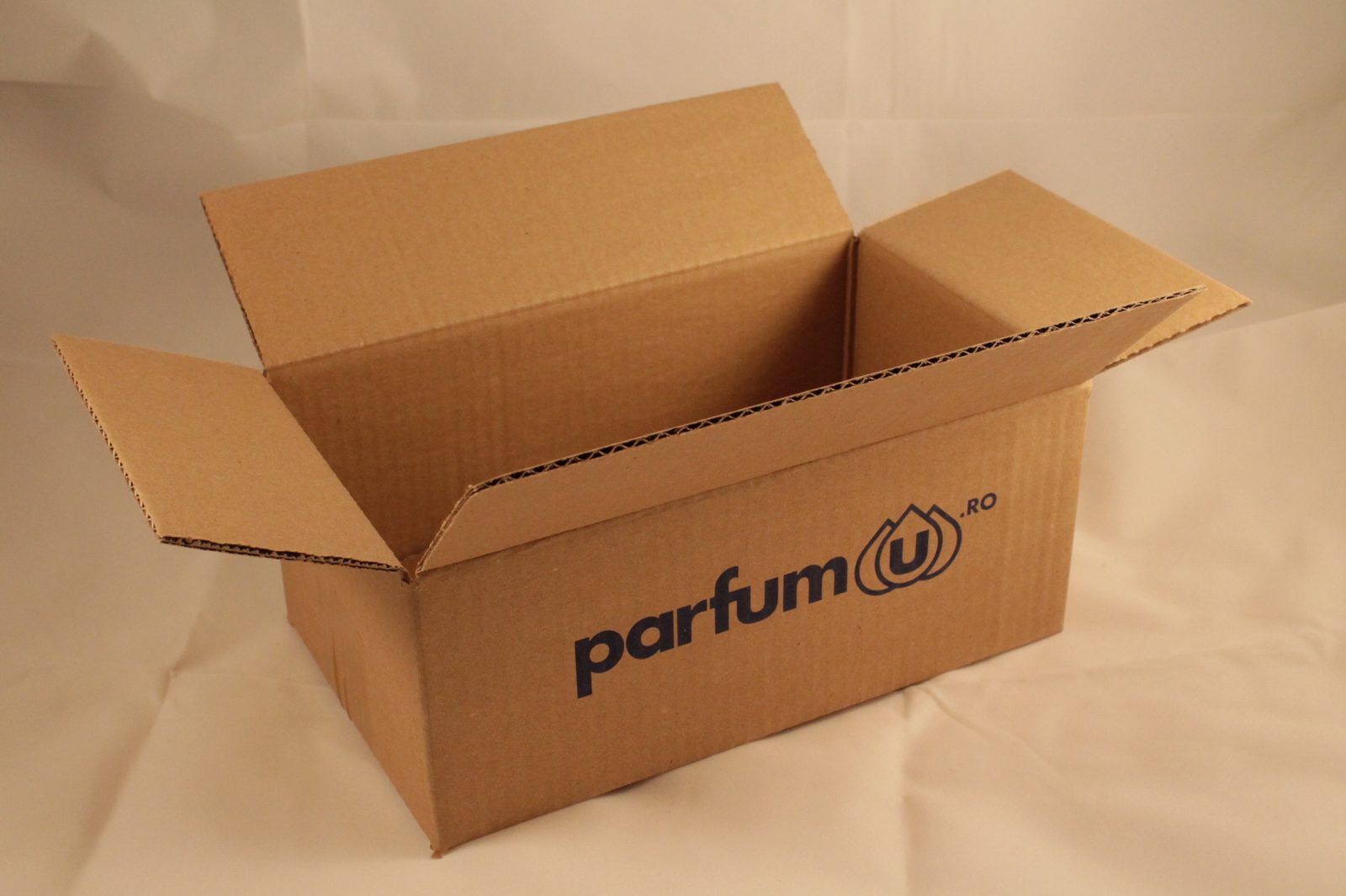
Custom size cardboard boxes fit your product exactly, reduce void fill and protect your goods in transit. This guide shows you how to measure correctly, which type of board to choose and what information to send for a fast quote. We also explain FEFCO codes, so we speak the same language when we discuss custom size cardboard boxes.
Why is a made-to-measure box worth it?
A standard box rarely fits perfectly. The empty space has to be filled, and the product moves around inside every time the box is handled.
A box sized to your product brings several practical advantages:
- Better protection: the product stays in place, so the risk of damage falls.
- Less void fill: you need less film, paper or polystyrene.
- Lower shipping costs: many courier and freight rates take volume into account.
- Efficient palletising: correctly sized boxes make better use of the pallet surface.
- Brand image: the box can be printed with your logo, colours and handling instructions.
Internal or external dimensions: which ones matter?
This is the most common source of confusion. Packaging manufacturers usually work with internal dimensions, given as L × W × H in millimetres.
- L (length): the longer side of the box opening.
- W (width): the shorter side of the opening.
- H (height): the vertical distance from the base to the lid.
External dimensions are larger than internal ones by the thickness of the board walls. The difference is greater with 5-ply board, which is thicker. If you have an external limit, such as the size of a shelf or pallet, tell us that as well.
Measure the product at its widest points. Then add the space needed for any inserts, edge protectors or protective materials.
3-ply or 5-ply board?
The right board depends on what happens to the box after it leaves your warehouse. Three questions will help you decide.
How heavy are the contents? Light products are usually packed in 3-ply board (single wall). Heavy products need 5-ply board (double wall), which withstands pressure better.
How will the boxes be stacked? If many boxes are stacked on top of each other, in the warehouse or on a pallet, compression strength becomes decisive. Here, 5-ply board is the safe choice.
How will they be shipped? Courier shipping means a lot of handling and impacts. Well-secured pallet transport puts less strain on each individual box. For long-distance export, it is worth discussing a complete packaging kit.
If you are not sure, describe your product and its route to us. We will recommend the right option.
What are FEFCO codes?
FEFCO is the European Federation of Corrugated Board Manufacturers. Its catalogue assigns a code to each box construction type, so the supplier and the customer know exactly which design they are talking about.
A few basic codes:
- FEFCO 0201 (RSC): the classic box with flaps, the most widely used in logistics.
- 02xx series: boxes with flaps, in various closure options.
- 03xx series: telescope-type boxes, with a separate lid.
- 04xx series: folding boxes made from a single piece, often used for books or e-commerce.
- 07xx series: pre-glued boxes that are quick to assemble.
At WEPADI, RSC boxes (FEFCO 0201) have no tooling cost. For other designs, see our FEFCO catalogue and mention the code in your request.
Custom size cardboard boxes: what should you send for a quote?
The more complete your request, the faster and more accurate the quote. Send us:
- The internal dimensions L × W × H, in mm.
- The box type or FEFCO code, if you know it.
- The weight of the contents per box.
- The mode of transport and whether the boxes will be stacked.
- The quantity you need and how often you will order.
- The printing you want: logo, colours, handling instructions.
The minimum order quantity depends on the box size and board type. We send the quote within 24 hours, and the production lead time depends on the box type.
What are the most common mistakes?
- External dimensions sent as internal ones. The product no longer fits in the box.
- Length and width swapped. The box opening ends up on the wrong side.
- No space left for protection. The insert or edge protectors no longer fit.
- Board too weak for stacking. The bottom boxes on the pallet get crushed.
- Weight left out of the request. Without it, choosing the board is guesswork.
A sample before the production order removes most of these risks.
Conclusion
Made-to-measure boxes protect your goods and cut the cost of void fill and shipping. The key is a clear request: internal dimensions, weight, mode of transport and quantity. Send us your details in a quote request and get a reply within 24 hours.