
Packaging standardisation means doing the same thing, in the same way, with as few packaging variants as possible. For a company that ships parcels or pallets every day, this shows directly in the speed of the line and in the stock of boxes. Below you will learn what the process involves, how FEFCO codes help and what practical steps you can take.
What does packaging standardisation mean in practice?
A standardised process is defined step by step. It runs the same way, whoever is working the shift. The result is a flow that is more predictable, safer and easier to control.
In the packing area, standardisation has two parts:
- standardising the packaging – a small number of box types and sizes, chosen to cover as many products as possible;
- standardising the operations – a clear routine for line start-up, packing, quality checks, shutdown and safety.
The two support each other. With fewer box formats, the work routine becomes simpler and the team learns it faster.
Why work with fewer box types and sizes?
Over time, many companies end up with dozens of box formats. Each one was introduced for a particular product or customer. The problem comes when all of them have to be ordered, stored and used correctly.
Reducing the number of formats brings clear benefits:
- smaller, easier-to-manage stock – fewer item codes to track and less space taken up;
- simpler ordering – larger quantities of the same format, more predictable supply;
- fewer mistakes – operators choose from a small number of options;
- faster training for new employees;
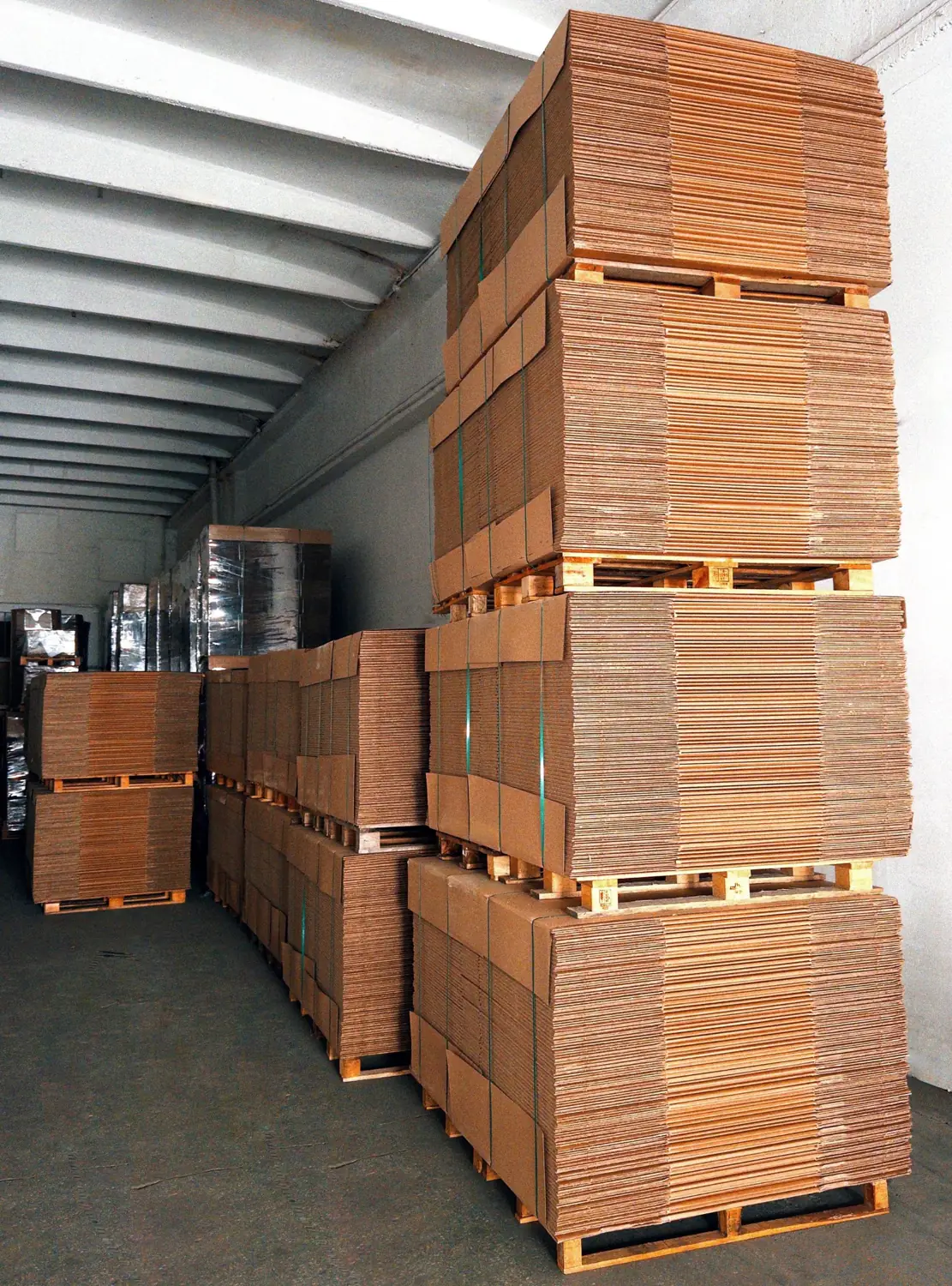
- tidier palletising, with dimensions that combine well on the pallet.
The aim is not one box for everything. The aim is a small set of formats that covers most products, with inserts or dividers where needed.
How do FEFCO codes help standardise packaging?
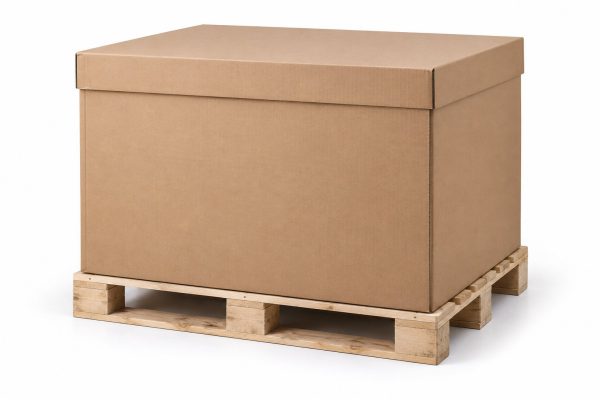
FEFCO is a coding system used in the corrugated packaging industry. Each box construction has a code. For example, the classic flapped box, the RSC, is FEFCO 0201.
FEFCO codes work as a common language between you, your supplier and your warehouse team:
- you describe the exact box type without complicated drawings;
- you compare quotes from different suppliers more easily;
- you avoid misunderstandings when ordering or changing supplier;
- you document packaging clearly in your internal procedures.
A standardised specification usually includes the FEFCO code, the internal dimensions, the board type and any printing.
What does the packing line gain from a standardised process?
Packaging equipment works best when it receives the same type of packaging under consistent conditions. A standard routine for start-up, operation, maintenance, shutdown and safety checks increases the productivity of both people and machines.
In practical terms, standardisation reduces:
- time lost on adjustments when changing format;
- unplanned stoppages caused by unsuitable boxes;
- quality variations between shifts;
- the risk of products being damaged in transport.
Packing is the last check before the goods leave for the customer. That is why a stable process at this point protects both profitability and the relationship with the end customer.
How do you start the standardisation process?
A standardised system takes time to design and introduce. Once the team has learned it, however, it becomes the basis for smooth operations. You can start with a few simple steps:
- Take an inventory of the packaging you use now: types, dimensions, annual quantities.
- Group your products by size, weight and fragility.
- Choose a reduced set of formats, described by FEFCO codes.
- Test the new formats on samples, with the real products.
- Write the work procedure for the packing line and train the team.
- Review the set of formats regularly as new products come in.
An external partner helps a lot here. They bring experience from other projects and an objective view that spots internal bottlenecks more easily.
How does WEPADI support you?
WEPADI has been producing corrugated board, pressed cardboard and duplex board packaging in Timișoara since 2011. We work with businesses only, in Romania and the EU, and we follow ISO 9001:2015 and ISO 14001.
For a standardisation project we offer:
- structural and packaging design for the chosen set of formats;
- RSC boxes (FEFCO 0201) with no tooling cost, from standard sizes up to 2000 × 1000 × 1000 mm;
- dividers and inserts so you can use the same box for several products;
- assembly and just-in-time delivery, so you do not need to hold large stock;
- quote within 24 hours.
Fewer formats, more control
Packaging standardisation starts with a simple question: how many box types do you really need? A reduced set, described by FEFCO codes, makes the line faster and the stock easier to control. Browse our products and send us a quote request, or email us at office@wepadi.com.