
The role of packaging goes well beyond holding the product together. Packaging and labels protect the goods, make them easy to handle and give the people who transport, store and use them the information they need. Below you will find the main functions and what each one means for a company choosing its packaging.
What is the role of packaging in protecting the product?
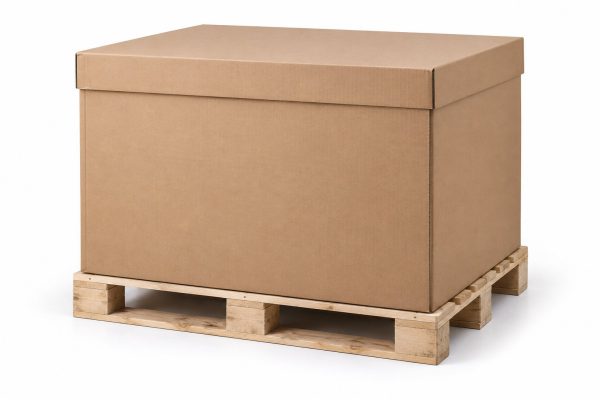
The first function of packaging is physical protection. On the way from manufacturer to customer, goods are loaded, unloaded, stacked and transported.
Packaging has to withstand:
- impacts during handling and from accidental drops;
- vibration during transport;
- compression, when boxes are stacked in the warehouse or on a pallet;
- temperature changes, depending on the route and the storage area;
- electrostatic discharge, in the case of electronic components.
There is a packaging solution for every risk. 5-ply corrugated board increases stacking strength. Inserts and dividers hold the product in place and keep parts separate.
How does packaging protect against external factors?
Besides knocks and pressure, products can be affected by moisture, oxygen or dust. Well-chosen packaging limits this contact and can help preserve quality for longer.
For metal parts shipped for export, for example, VCI bags are used. They protect the metal against corrosion during transport and storage.
Why does grouping products matter?
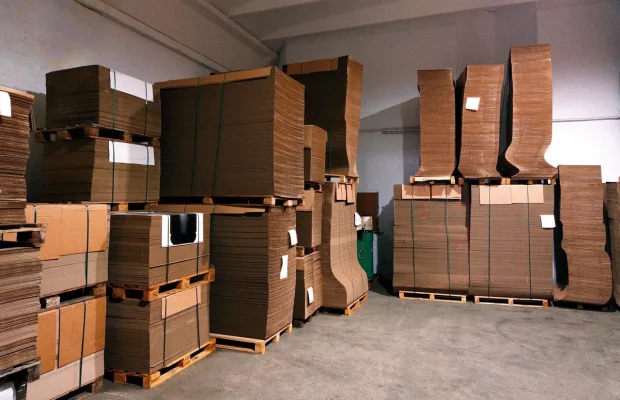
Packaging combines several units into a single handling unit. A fruit tray or a box holding dozens of small parts is much easier to handle than the same products taken separately.
Grouping brings benefits across the whole supply chain:
- fewer parcels to count and track;
- faster loading and unloading;
- orderly stacking on the pallet;
- simpler warehouse inventory.
What information does the label provide?
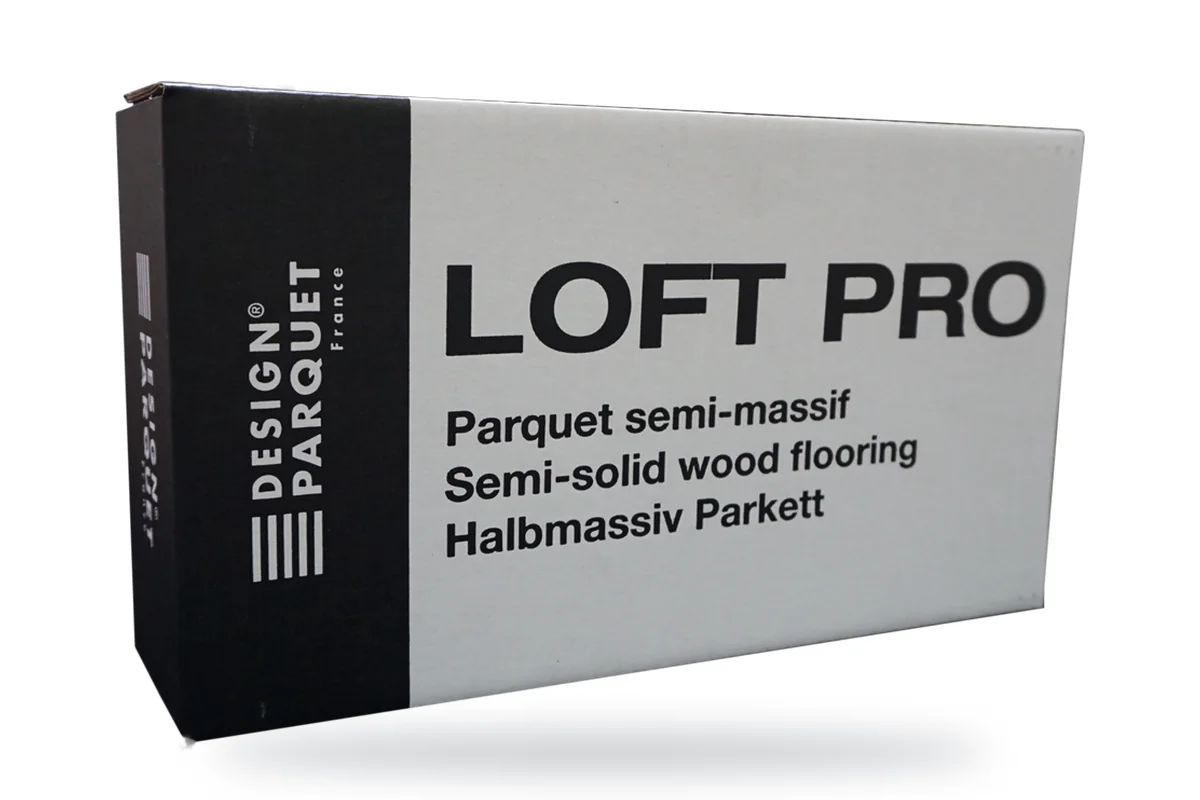
The label and the print on the packaging say what the parcel contains and how it should be handled. The usual information includes:
- directions for use and product composition;
- storage and transport conditions;
- handling symbols ("Fragile", "This way up", "Keep dry");
- barcodes for identification and traceability;
- recycling instructions for the packaging.
For certain categories, the information on the label is required by law. This applies to food, pharmaceutical, medical and chemical products. Check the requirements specific to your sector before finalising the packaging artwork.
How does packaging support safety and trust?
Packaging shows whether the product has arrived intact. Seals, printed adhesive tapes and security labels reveal if the package was opened before delivery.
This has two effects. It discourages theft during transport. And it gives the end customer confidence that the product has not been tampered with.
What role does packaging play in marketing and ease of use?
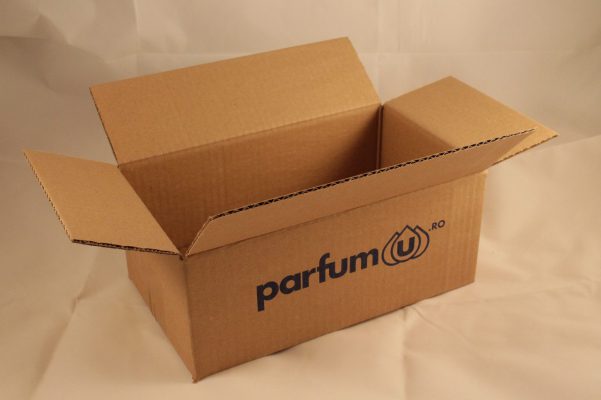
Packaging is often the customer's first physical contact with the brand. Colours, logo and print quality influence how the product is perceived. This matters in B2B as well, not only in retail.
Convenience is another practical function. Good packaging:
- opens and closes easily;
- stores without taking up unnecessary space;
- folds flat and is easy to recycle after use;
- can allow controlled dispensing of the contents, where relevant.
One often overlooked role of packaging is packing efficiency. Self-forming boxes, or boxes delivered assembled, cut the time spent on the packing line.
Conclusion
The functions of packaging go beyond protection. Packaging groups the goods, carries mandatory information, ensures product integrity and supports the brand image. Tell us what product you are packing and how you ship it, and we will propose the right solution. Send a quote request and get a reply within 24 hours.