
Bag-in-box packaging is a system for liquids made up of a flexible bag, a tap and a corrugated cardboard box. In this article you will learn how it works, which products it suits and what advantages it offers in transport and storage. At the end you will find answers to frequently asked questions.
What is bag-in-box packaging?
Bag-in-box (BIB) packaging appeared in the second half of the 20th century. It was first used for industrial liquids. It later spread to the food industry, especially for wine.
Today, the box with an inner bag is used in food, in the chemical industry and in other sectors. The reason is simple: it protects the liquid well and costs less to transport than rigid containers.
How does the bag-in-box system work?
The system has three components:
- the inner bag – a flexible, multi-layer plastic bag that holds the liquid; barrier layers limit the ingress of oxygen;
- the tap – fitted to the bag, it lets you dispense the liquid without opening the pack;
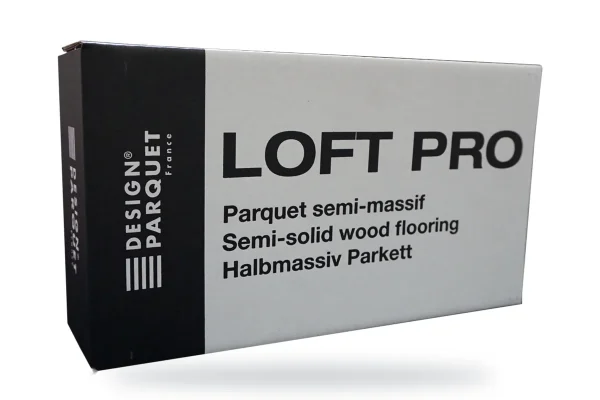
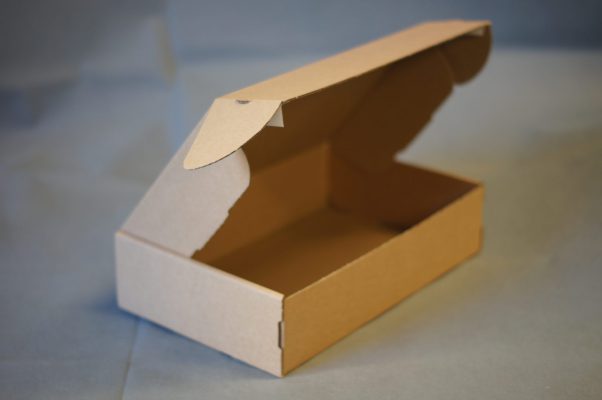
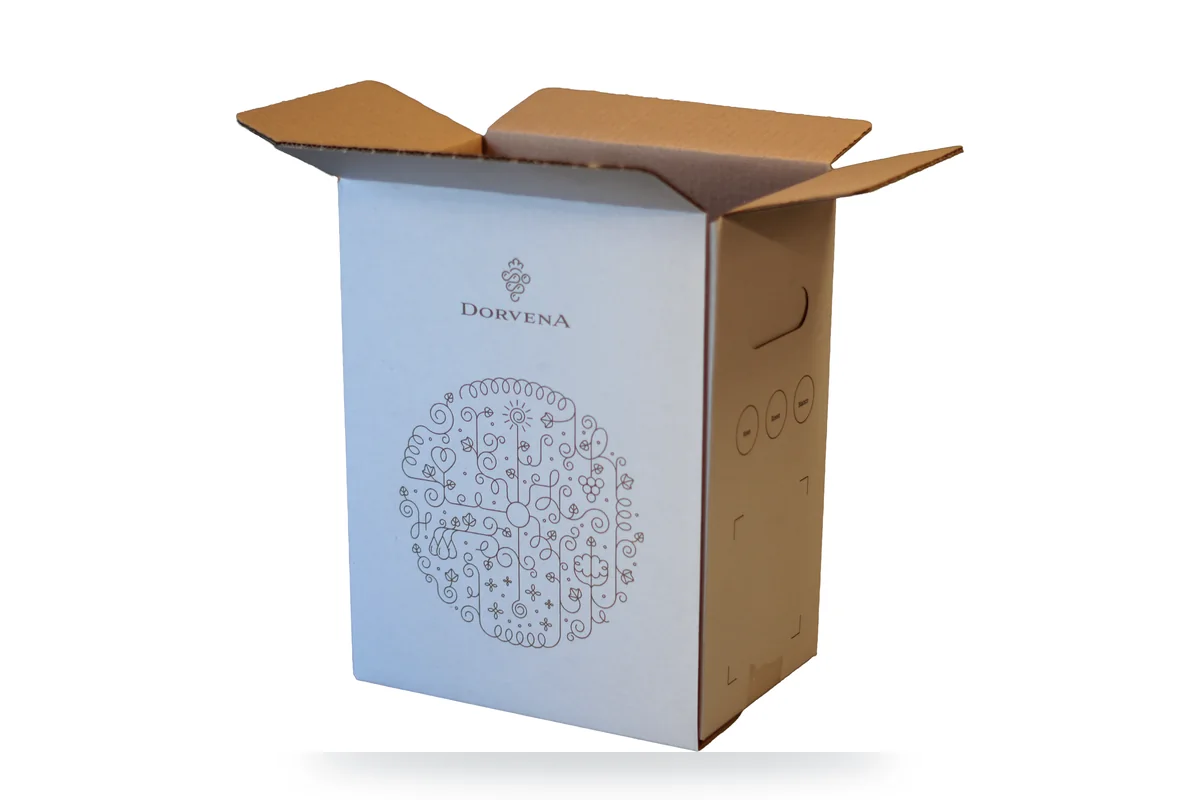
- the outer box – made of corrugated board, it provides rigidity, protection and space for information.
As the liquid is used, the bag collapses. Air gets in less easily than in an open bottle. As a result, the product keeps its quality for longer after opening.
Which liquids can be packed in bag-in-box?
The system is used for a wide range of food and non-food liquids:
- wine;
- juices and drinks;
- syrups and concentrates;
- edible oils;
- liquid dairy products;
- detergents and cleaning solutions;
- industrial oils and lubricants;
- agricultural products.
Volumes range from small packs of a few litres to large formats for professional use. The choice depends on the product, the sales channel and how it is used.
What are the advantages in storage and transport?
Bag-in-box packaging has several practical advantages over glass bottles or rigid canisters.
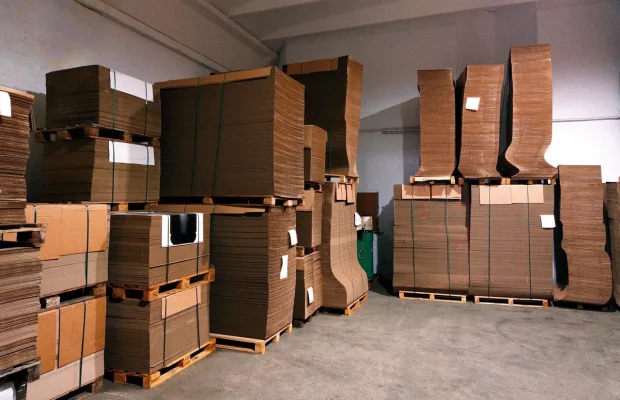
- It takes up little empty space. Bags and boxes are delivered flat until filling.
- It is light. The packaging weighs little compared with the volume of liquid.
- It stacks well. The rectangular shape of the box allows efficient palletising.
- There is less risk of breakage. There is no glass to break in transit.
- There is less waste. The tap allows controlled dispensing, without leaks.
For distributors and professional users, these differences show up in logistics costs. More litres fit on a pallet, and handling is simpler.
Can the outer box be customised?
Yes. The corrugated box is the product's communication surface. It can be printed with your logo, the product name, instructions and mandatory information.
Printing directly on the box removes the need for extra labels. The product looks consistent on the shelf or in the warehouse.
WEPADI offers graphic design and packaging design. We can adapt the box size and graphics to your volume and your brand.
Is bag-in-box a sustainable choice?
The corrugated outer box is recycled in the standard paper and cardboard stream. On request, the raw material can be FSC®-certified.
The inner bag is separated from the box after use. The system is developing towards materials that are easier to recycle and better-performing barriers.
Another advantage is the low weight. Lighter packaging means less material used per litre of product.
Conclusion: practical packaging for liquids
Bag-in-box combines protection of the liquid with low transport and storage costs. It suits both food and industrial products. Tell us what liquid you pack and in what volume, and we will send you a quote within 24 hours. Send a quote request or call +40 732 274 247.